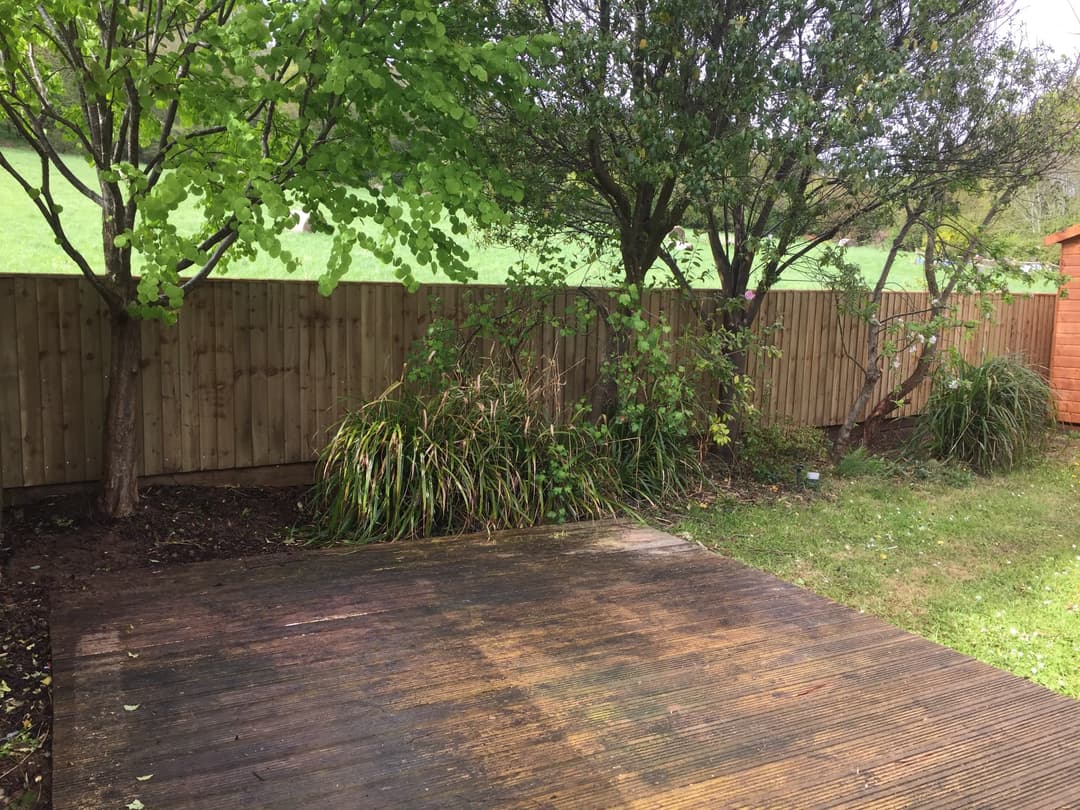
When you replace a fence, the old panels, posts and concrete have to go somewhere. Most people assume that once a tradesperson has loaded them into a van, it is no longer their problem. Legally, that is not quite true. Householders have a duty of care for their waste, and if it ends up fly-tipped, the trail can lead back to you.
What the householder duty of care means
In England, you have a legal duty to take reasonable steps to make sure the waste from your home goes to someone who is authorised to take it. That covers household rubbish, garden waste and the materials left over from building or garden work, including old fencing.
In practice, it means checking that whoever takes your waste is registered to carry it. Councils regularly remind residents that if waste is fly-tipped by an unregistered carrier, the householder can be fined, even if they paid someone in good faith.
What the fines can be
Since 31 July 2023, councils in England have been able to issue fixed penalty notices of up to £600 for breaching the householder duty of care, under the Environmental Offences (Fixed Penalties) (Amendment) (England) Regulations 2023. Individual councils set their own amounts within that limit, and more serious cases can go to court instead.
That is a lot of money to lose over a pile of old fence panels, and it is easily avoided.
How to check a waste carrier
It takes a couple of minutes.
- Ask for their waste carrier registration number. Anyone carrying waste as part of their business should be registered with the Environment Agency and should be happy to give it to you.
- Look it up on the Environment Agency's public register of waste carriers, brokers and dealers on GOV.UK. Check the name and the registration match the person or business you are dealing with.
- Ask where the waste is going. A legitimate carrier will take it to a licensed site.
- Get a receipt or invoice that describes the waste and who took it. Keep it for your records.
Be wary of anyone who knocks on the door offering to take rubbish away cheaply, or who cannot give you a registration number. Unusually low prices for clearance can be a sign the waste will not be disposed of properly.
What counts as fencing waste?
A typical fence replacement produces more waste than people expect: old panels or boards, posts, rails, gravel boards and the concrete from around the posts. Concrete in particular is heavy and awkward. It is not something most people can take to the tip in a car without a lot of trips, and some tips limit or charge for rubble from DIY work.
How I handle it
I am a registered upper-tier waste carrier with the Environment Agency, registration number CBDU646005, and you are welcome to look me up on the register. Old fencing and garden waste from my jobs are cleared and disposed of legally, and I can provide proof of disposal for your records. It is part of every fence installation and fence repair I do, so you are not left with a pile of timber at the end of the garden.
You can read more about how it works on my licensed waste clearance page.
After a storm
Storms bring out a lot of offers to clear fallen fences quickly. If yours has come down, take a moment to check whoever takes the old timber away is registered. My guide on what to do when a fence blows down covers the rest, from making it safe to deciding whether to repair or replace.
Fence replacement with clearance included
I cover the whole of North Somerset, including Weston-super-Mare and Clevedon, where a lot of jobs involve clearing old boundaries. Ask for a free quote or call 07976 165908.