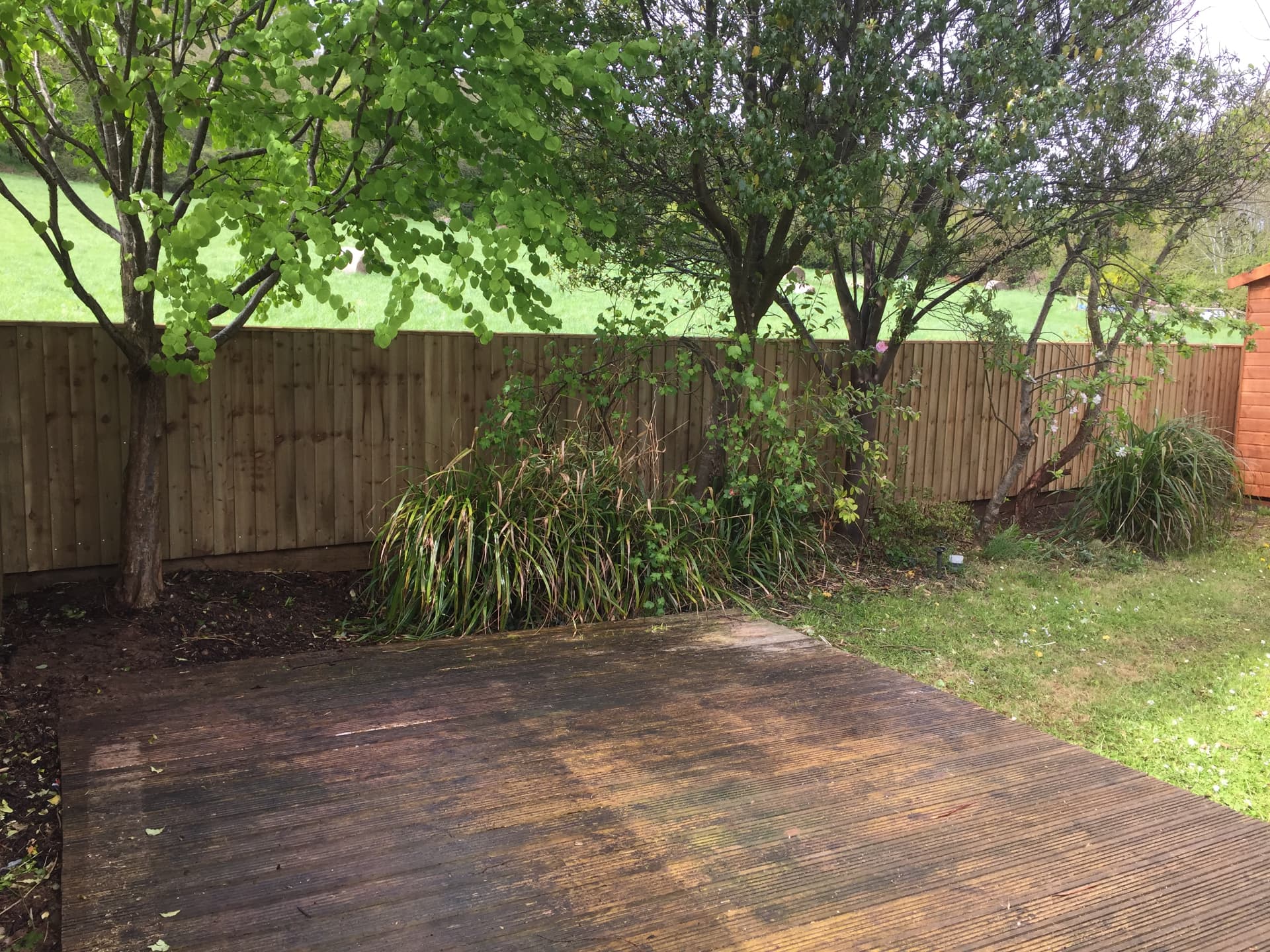
In England you can usually put up a fence, wall or gate up to 2 metres high without planning permission. Next to a road used by vehicles, or the footpath beside one, the limit is usually 1 metre. Those two numbers cover most gardens, but there are a few situations where the rules are tighter, and they catch people out more often than you would think.
This guide sets out how the rules work in North Somerset, where the planning authority is North Somerset Council. I am a fencer, not a planning officer, so if your situation is unusual, the council has the final say.
The basic rule: 2 metres, or 1 metre by a road
Fences, walls and gates come under what are called permitted development rights. According to the Planning Portal, you do not need to apply for planning permission as long as all of these are true:
- The fence is no more than 2 metres high, or no more than 1 metre if it is next to a road used by vehicles or its footpath.
- Your house is not a listed building, and the fence is not within the grounds of one.
- The fence does not form a boundary with a neighbouring listed building or its grounds.
- Your permitted development rights for fences have not been removed by an article 4 direction or a planning condition.
If an existing fence is already taller than these limits, you cannot raise it further without permission. You can usually replace it like for like, but check with the council first if you are unsure.
How height is measured
Height is measured from the ground. Where the ground is a different level on each side, it is usually measured from the higher side, but if in doubt ask the council how they would measure your particular boundary. On a sloping garden, a stepped fence can creep over 2 metres at the low end of each step, so it is worth planning the steps with that in mind.
Does trellis count?
Usually, yes. Trellis fixed on top of a fence is generally treated as part of the fence, so a 1.8 metre panel with 30 centimetres of trellis on top comes to 2.1 metres. Some councils take a relaxed view of light, open trellis, but there is no guarantee, and it is not worth relying on if a neighbour is likely to complain.
The same goes for a fence or screen built on top of a wall. The combined height of wall and fence is what usually counts. If you want extra privacy above a wall, my privacy screening page explains the options.
Fences next to a road or driveway
The 1 metre limit applies to fences next to a road used by vehicles, including the pavement beside it. That is why front garden fences on many estates are low. A private driveway that only serves your house is not normally treated as a highway, but a shared access road might be, so check if you are unsure.
Gates next to a road have another rule: under the Highways Act 1980, a gate that opens onto a street must not open outwards. If you are planning new driveway or side gates, they should swing into your property.
Listed buildings and conservation areas
If your house is listed, or your fence would form a boundary with a listed building, permitted development does not apply. You will normally need consent for a new fence, wall or gate at any height. North Somerset has listed buildings in most of its towns and villages, from Clevedon's seafront to the older parts of Backwell and Congresbury.
Conservation areas work slightly differently. Putting up a fence within the normal limits is often fine, but taking one down can need permission. The Planning Portal says demolishing a gate, fence or wall of 1 metre or more next to a highway, waterway or open space, or 2 metres or more elsewhere, needs planning permission in a conservation area. Central Clevedon is a good example of a conservation area where this can apply.
Newer estates and planning conditions
Some newer estates were built with planning conditions or covenants that keep front gardens open-plan, or that remove the usual permitted development rights for fences. This is common on developments where the builder wanted a uniform look. If you bought a newer home in places like Nailsea or Portishead, check your deeds and the original planning permission before putting up a front fence. A covenant is a private legal matter rather than planning, but it can still be enforced.
What if you want to go higher?
You can apply for planning permission for a taller fence. Whether it is approved depends on things like how it affects neighbours, light and the look of the street. Often the simpler answer is a 2 metre boundary fence plus a free-standing screen set back from the boundary where you sit, which can block the view that matters most.
If you are not sure who owns the boundary in the first place, read my guide on which fence is mine before you start.
Getting it right first time
When I measure up for a new fence, I will talk you through heights, steps on sloping ground and anything that might need checking with the council. I cover the whole of North Somerset. Ask for a free quote or call me on 07976 165908.